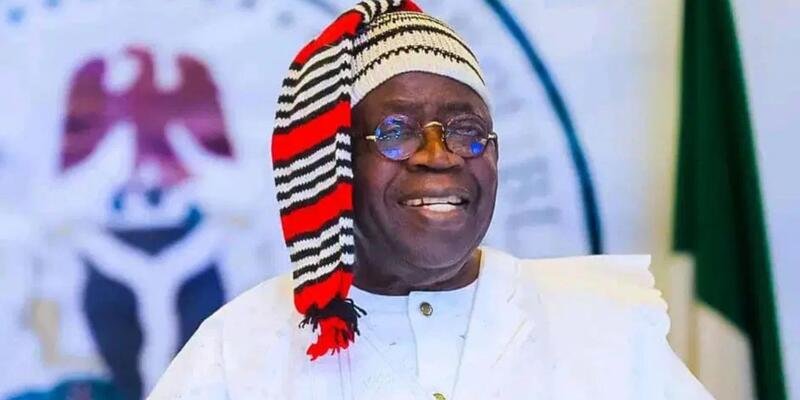
As President Bola Ahmed Tinubu marked the second anniversary of his administration on Wednesday, he declared that Nigeria has made “undeniable progress” and is “on course to building a greater, more economically stable nation.”
In a nationwide statement issued from the Presidential Villa in Abuja, the President acknowledged the difficulties many Nigerians have faced but insisted that bold reforms, particularly the removal of fuel subsidies and the unification of the foreign exchange system, were necessary to avert a fiscal collapse.
“It was apparent that if the Federal Government and the other two tiers of government must remain viable and cater to the citizens’ welfare, we must do away with decades-long fuel subsidies and the corruption-ridden multiple foreign exchange windows,” Tinubu stated. “The two were no longer sustainable and have become a chokehold on our nation’s neck, strangling our nation’s future.”
Tinubu said these policy moves prevented what he called an inevitable “fiscal crisis that would have bred runaway inflation, external debt default, crippling fuel shortages, a plunging Naira, and an economy in a free-fall.”
Despite the initial pain, the President said key indicators show improvement. “Inflation has begun to ease, with rice prices and other staples declining. The oil and gas sector is recovering; rig counts are up by over 400% in 2025 compared to 2021, and over $8 billion in new investments have been committed,” he said.
Tinubu noted that in the first quarter of 2025 alone, the federal government recorded over N6 trillion in revenue, attributing the gains to improved tax administration and transparency in public finance. He cited the elimination of Ways & Means financing and the transformation of the NNPC into a “net contributor” to the Federation Account as major fiscal achievements.
On tax reforms, Tinubu announced: “By the end of 2024, our tax-to-GDP ratio rose from 10% to over 13.5%, a remarkable leap in just one year.” He said the new policies aim to ease the burden on small businesses and protect low-income earners by exempting essential goods like food, education, healthcare, rent, public transportation, and renewable energy from Value Added Tax (VAT).
He added that the Administration was “laying the foundation for a more sustainable future” through a new national fiscal policy focused on “fair taxation, responsible borrowing, and disciplined spending.”
Summing up his message, President Tinubu declared: “The real impact of our governance objectives is beginning to take hold. The future is bright, and together, we will build a stronger, more inclusive Nigeria that we can all be proud of.”