The National Association of University Students (NAUS) has strongly condemned the poor allowance paid to students undergoing the Students Industrial Work Experience Scheme (SIWES), calling for its immediate review.
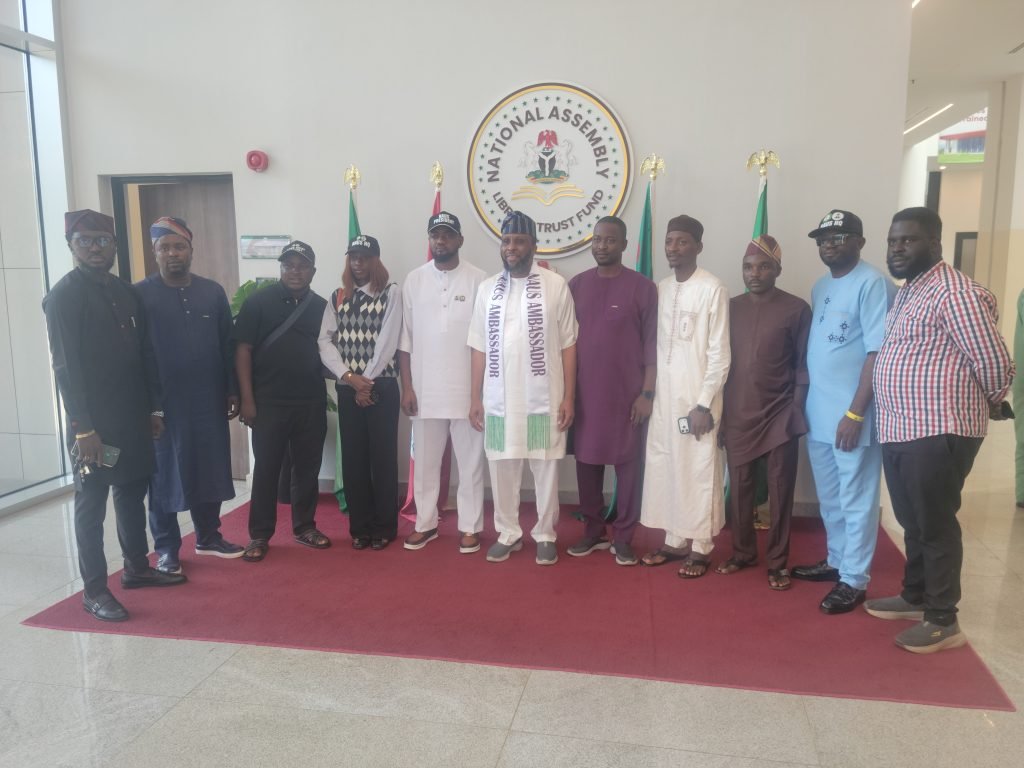
NAUS National President, Distinguished Comr. Dr. Meshach Anthony Nwankwo, made the call on Thursday during a courtesy visit to the National Assembly, where the association conferred its National Ambassador honour on Rep. Gaza Jonathan Gbefwi.
Nwankwo said the current SIWES allowance was inadequate to meet the realities faced by students, particularly amid the rising cost of transportation, feeding and other basic needs.
He urged relevant government agencies and stakeholders to review the allowance to make the programme more meaningful and accessible to Nigerian students.
The NAUS president also commended Gbefwi for his contributions to education, youth empowerment, scholarships and skills acquisition in his constituency.
He said the legislator’s reported investment of more than N19 million in scholarships demonstrated the importance of investing in human capital.
Nwankwo described Gbefwi as “one of us,” noting that his background as a product of the Federal University of Technology, Minna, gave him a strong connection with the university community.
Receiving the delegation, Gbefwi, who represents Karu/Gurara/Keffi Federal Constituency of Nasarawa State, thanked NAUS for the recognition and pledged to continue supporting initiatives that promote education, youth empowerment and human capital development.
The visit also featured discussions on skills acquisition, mining, employment opportunities for young people and stronger collaboration between the National Assembly and the university community.
The association urged Gbefwi to sustain his advocacy for policies that would create greater opportunities for Nigerian students and young people.
NAUS said the engagement was aimed at strengthening the relationship between Nigerian students and policymakers while promoting policies that directly address students’ welfare and future prospects.