President Trump Signs Sweeping Travel Ban Targeting 19 Countries, Citing Security Concerns
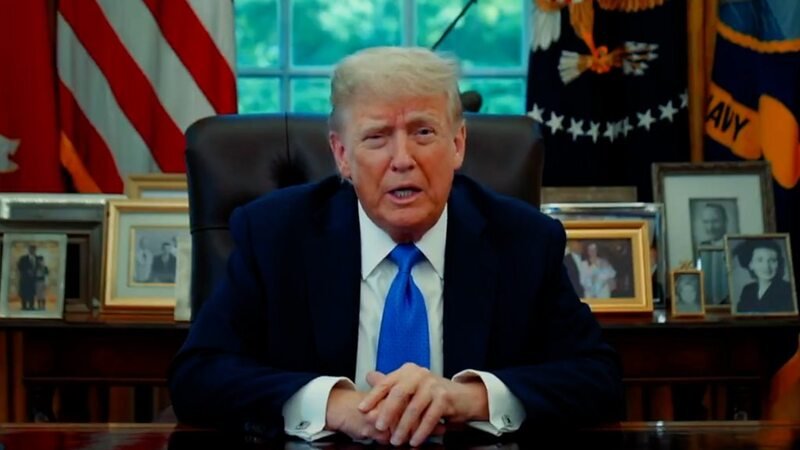
President Donald Trump has signed a comprehensive travel ban affecting nationals from 19 countries, citing national security threats and inadequate immigration screening processes. The Executive proclamation, signed on June 4 and scheduled to take effect on June 9, fully blocks entry from 12 nations and imposes partial restrictions on seven others.
The countries facing a complete travel ban include Afghanistan, Myanmar (Burma), Chad, the Republic of the Congo, Equatorial Guinea, Eritrea, Haiti, Iran, Libya, Somalia, Sudan, and Yemen. U.S. officials cited reasons such as ineffective vetting procedures, high visa overstay rates, and insufficient data sharing as justification for the ban.
Partial restrictions have been placed on travelers from Burundi, Cuba, Laos, Sierra Leone, Togo, Turkmenistan, and Venezuela. Despite these restrictions, exemptions are available for lawful permanent residents, individuals with valid U.S. visas, and those whose entry is deemed in the national interest.
Nigeria was notably not among the countries with major compliance issues, despite its growing diaspora presence in the United States.
The announcement followed an antisemitic attack in Boulder, Colorado, which reportedly accelerated the finalization of the policy. Deputy White House Press Secretary Abigail Jackson stated, “President Trump is following through on his commitment to protect Americans from dangerous foreign actors. These targeted restrictions apply to nations with substandard vetting practices or security threats.”
Trump also emphasized that the list could be revised in the future, either to remove countries that demonstrate progress or to add new ones based on emerging threats. “We will not allow individuals who pose a danger to our nation to enter the United States,” he said. “Our first duty is to ensure America’s safety.”
This latest directive mirrors a similar travel ban introduced during Trump’s first term, which targeted several Muslim-majority countries but was repealed by President Joe Biden in 2021. The re-inclusion of Afghanistan in the current list has raised concerns, particularly among Afghans who supported U.S. efforts during the 20-year military involvement in the region. The administration has already paused refugee admissions and reduced assistance for Afghan Special Immigrant Visa applicants.
Refugee advocates and humanitarian organizations expressed alarm. Shawn Vandiver, founder of the advocacy group #AfghanEvac, argued, “This disproportionately affects lawful migrants and families seeking safety. It’s a political maneuver rather than a response to a specific threat.”
Governments of several affected countries have denounced the move. Venezuela’s Interior Minister Diosdado Cabello responded bluntly, saying, “If you’re foolish enough, go to the U.S.” Meanwhile, Oxfam America’s President and CEO Abby Maxman called the ban “a chilling return to policies of fear and division,” accusing it of abandoning those in desperate need of refuge.
In a related development, the Trump administration also rescinded Harvard University’s authorization to host international students as of May 22. The move has forced thousands of students to transfer or face legal uncertainty. Homeland Security Secretary Kristi Noem cited Harvard’s alleged connections to the Chinese Communist Party and accusations of promoting antisemitism and unrest as the basis for the decision.